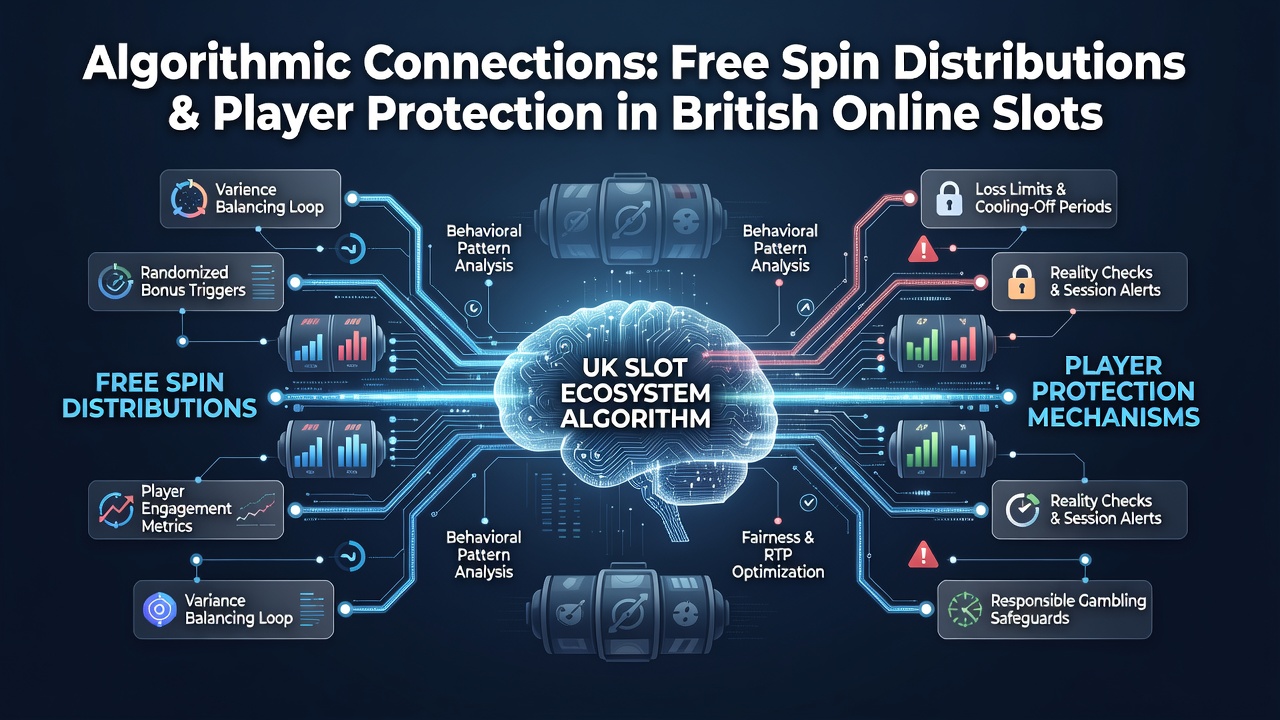
Algorithmic Connections Between Free Spin Distributions and Player Protection Mechanisms in British Online Slot Ecosystems
Free spin distributions in British online slot systems rely on algorithmic models that determine eligibility, frequency, and value based on player activity patterns and game parameters, while player protection mechanisms incorporate similar computational frameworks to monitor spending thresholds and session durations. These two areas intersect through shared data inputs where bonus allocation engines feed into risk assessment modules that adjust protections in real time.
Core Components of Free Spin Algorithms
Slot platforms process free spin awards using random number generators combined with weighted probability tables that factor in deposit history, wager volume, and loyalty metrics, so the distribution logic triggers bonuses at calculated intervals without exceeding predefined return-to-player percentages. Research from academic institutions shows these models often integrate machine learning classifiers trained on historical transaction datasets to predict engagement spikes, allowing operators to calibrate spin quantities accordingly. Observers note that such systems prioritize regulatory compliance by embedding caps on bonus frequency per account, which prevents over-distribution while maintaining game fairness across sessions.
Player Protection Frameworks in Operation
British slot ecosystems deploy protection tools through algorithmic monitoring that tracks cumulative losses, time spent, and deposit patterns against customizable or mandated limits, triggering interventions such as cooling-off periods or reduced bet sizes when thresholds approach. Data indicates these mechanisms draw from behavioral analytics engines that flag deviations from baseline activity, enabling automated responses without manual oversight. Those who study gaming software report that protection layers frequently operate on the same backend infrastructure as bonus systems, sharing real-time feeds to synchronize restrictions with active promotions.
Intersections in Algorithm Design
Connections emerge when free spin distribution rules incorporate protection signals, for instance by pausing bonus eligibility during high-risk periods detected through velocity checks on deposits or wins. This integration occurs because both systems rely on unified player profiles that aggregate metrics like net position and session length, allowing algorithms to modulate spin grants dynamically while enforcing safeguards. Studies found that developers embed conditional logic where exceeding a daily loss limit automatically suspends promotional distributions until the account stabilizes, creating a feedback loop that aligns commercial features with harm minimization protocols. What's interesting is how these shared pipelines reduce redundant computation, as the same decision trees handle both reward allocation and limit enforcement in sequence.
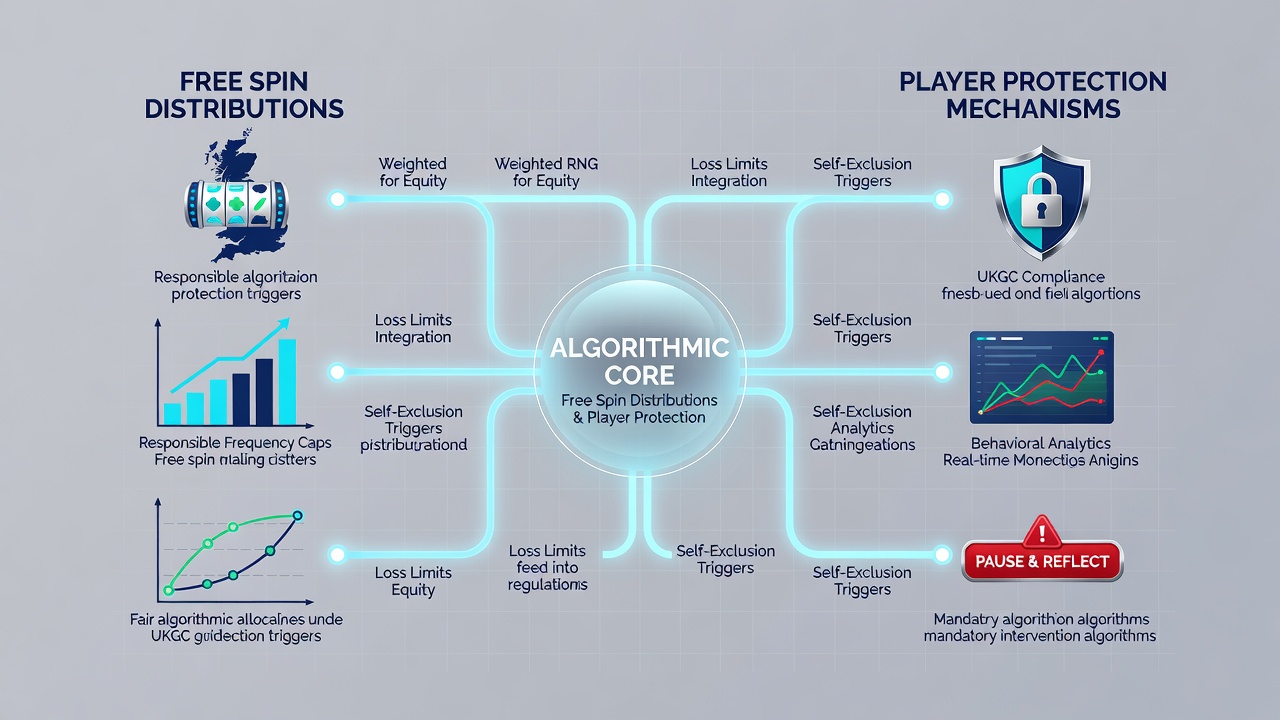
One case where experts analyzed platform updates revealed that free spin triggers now reference protection databases before finalizing awards, which ensures bonuses do not override active spend caps set by users or regulators. This linkage appears in mobile and desktop environments alike, where cloud-based services handle the cross-referencing to maintain consistency across devices. Figures reveal that operators adopting unified architectures report streamlined auditing processes, since logs capture both promotional events and protective actions within the same datasets.
Developments Observed in November 2026
By November 2026, several platform providers had rolled out enhanced versions of these integrated systems following software patches that improved synchronization between spin distribution and protection modules. Reports from industry trade groups highlight how updated APIs allow for faster data exchange, enabling protections to respond within milliseconds of a free spin trigger. Researchers discovered that these refinements incorporate additional variables such as device fingerprinting and geographic signals to refine risk scoring, thereby linking bonus mechanics more tightly to location-specific compliance rules. The reality is that such advancements build on existing frameworks rather than introducing entirely new paradigms, with emphasis placed on scalability for high-volume slot traffic.
Conclusion
Algorithmic ties between free spin distributions and player protections continue to evolve through shared data structures and conditional processing that balance promotional incentives with oversight requirements. Evidence suggests ongoing refinements in British slot environments will further embed these connections, drawing from cross-regional insights including studies by the Australian Gambling Research Centre and reports issued by the National Center for Responsible Gaming. Those tracking the sector observe that unified algorithmic approaches support both operational efficiency and regulatory alignment without separate silos for each function.