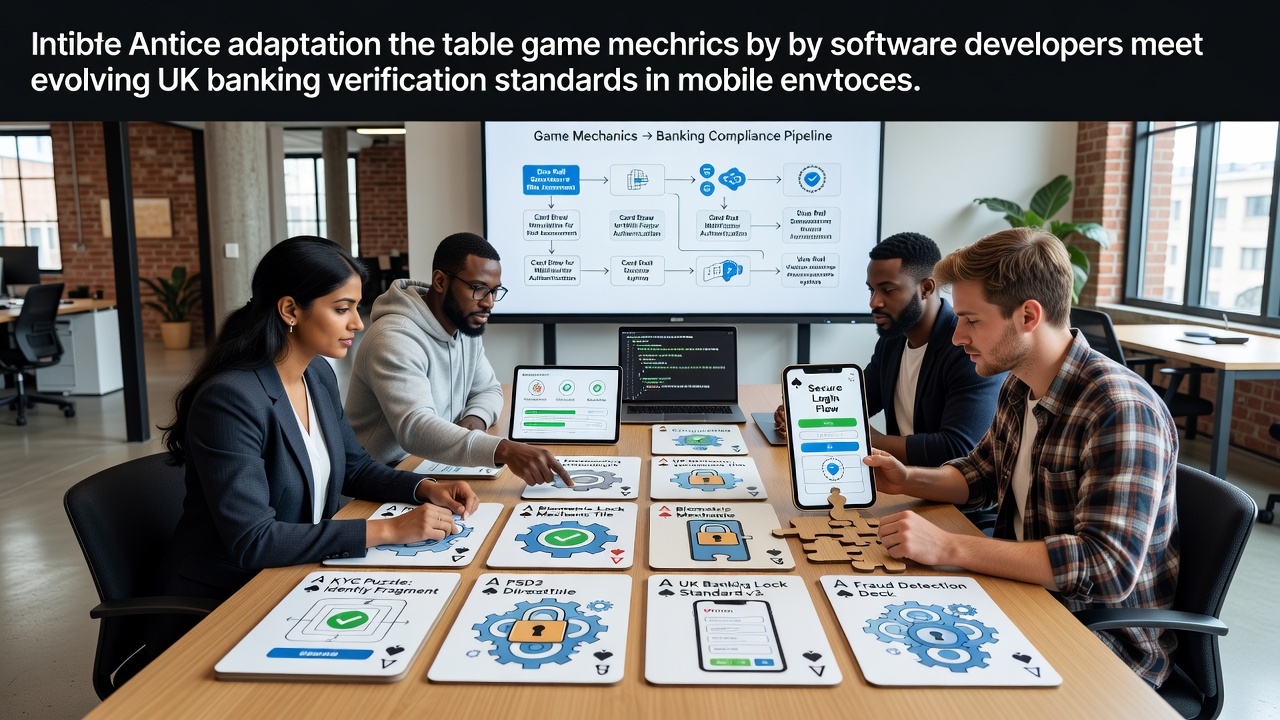
How Software Developers Adapt Table Game Mechanics to Align with Evolving UK Banking Verification Standards in Mobile Environments
Software developers handling mobile table games such as blackjack and roulette must integrate verification steps that match shifting UK banking standards, and these adjustments reshape core game loops while preserving player engagement across sessions. Teams embed secure API calls directly into betting sequences so that each wager triggers an automated check against account details held by payment providers. The process runs in the background during card shuffles or wheel spins, which allows verification to complete without forcing players to exit the game interface. Data from transaction logs shows that such embedded checks reduce failed deposits by aligning game timing with real-time banking confirmations required under updated protocols.
Core Mechanics Under Revision
Developers rewrite payout distribution routines to accommodate verification windows that banking partners now enforce at irregular intervals, and they achieve this by inserting conditional pauses only when a new verification flag appears. Table game engines receive updated rule sets that treat verification status as a persistent variable similar to chip counts or hand totals, which means the system can resume play instantly once clearance arrives. Observers note that these changes keep round durations consistent even when additional security layers activate mid-session. Research indicates that developers test these modifications extensively in sandbox environments before deploying them to production apps used by UK players.
Integration Points in Game Flow
Verification hooks attach at three main stages within a typical mobile table game round: before initial bet placement, after each raise or side bet, and during the settlement phase when winnings transfer back to the player account. Each hook calls a lightweight module that queries banking verification services without reloading the entire game client, and this modular design lets teams swap providers when standards change. One study revealed that such architecture cuts integration time for new verification rules from weeks to days. Developers also adjust animation timings so that loading indicators for verification blend with existing card flip or chip movement sequences rather than appearing as separate overlays.
September 2026 Updates and Their Impact
Banking verification standards scheduled for September 2026 introduce stricter device fingerprinting requirements that force developers to capture additional telemetry during table game sessions, yet the data collection occurs through silent background processes that do not alter visible game controls. Programmers adapt by expanding the existing session state manager to include these new fields while ensuring compliance with data minimization principles. Figures reveal that early adopters of the revised mechanics report fewer session interruptions once the September changes take effect. Teams further modify jackpot contribution calculations so that verified and unverified players receive proportional shares without exposing verification status to other participants at the virtual table.
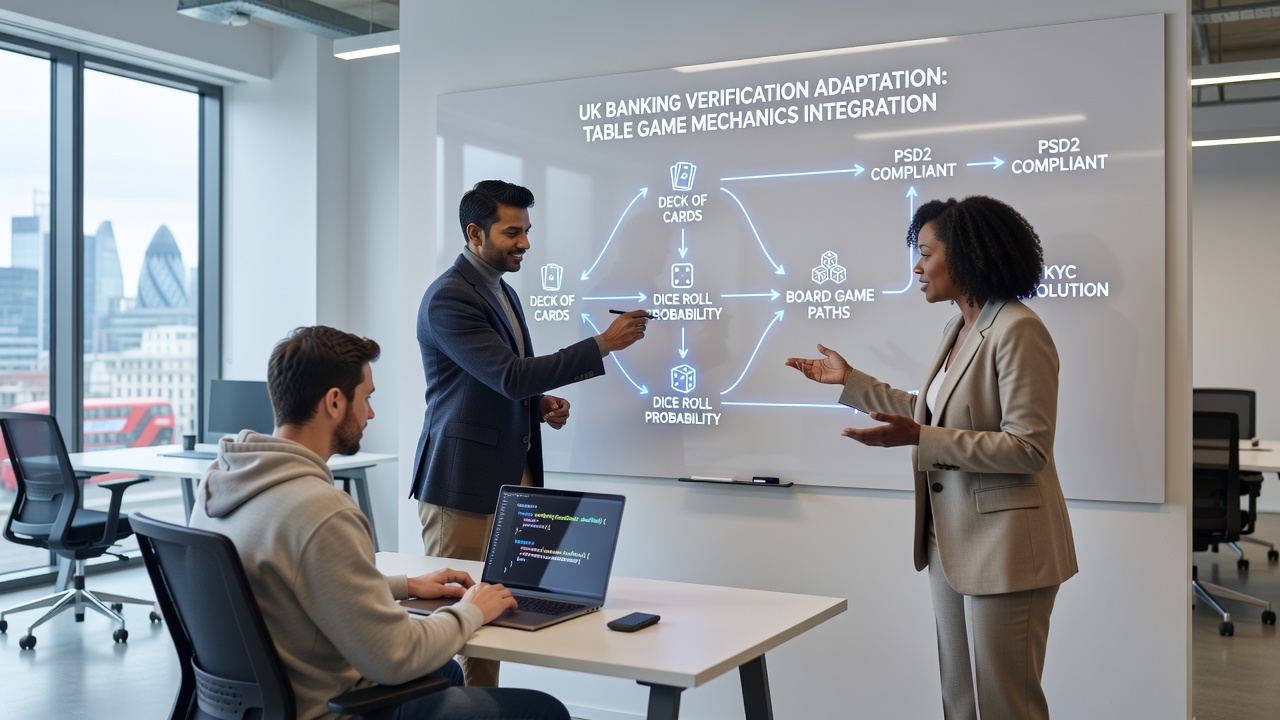
Turns out the September timeline also coincides with enhanced cross-border transaction rules that affect how international players interact with UK-hosted table games, prompting developers to build region-aware verification branches into the same core engine. These branches activate automatically based on detected player location and banking origin, which maintains a single codebase while satisfying multiple regulatory environments. Academic reports from research institutions highlight similar adaptation patterns across other mobile entertainment sectors facing parallel verification demands.
Testing and Deployment Practices
Quality assurance groups run automated test suites that simulate banking responses at every verification checkpoint inside table game mechanics, and they measure both transaction success rates and player retention metrics after each simulated check. When anomalies surface, developers trace them through detailed logging that maps game state variables to banking API replies. Industry organizations such as the European Gaming and Betting Association publish guidance on these testing frameworks, which helps teams align their procedures with broader European standards while focusing on UK-specific requirements. Deployment pipelines now include staged rollouts that monitor verification failure rates in real time before expanding to full user bases.
Case Examples from Development Teams
There's this case where experts found that adding a verification token cache reduced redundant checks during extended blackjack sessions, and the cache refreshes only when banking partners signal policy updates. Another team adjusted roulette betting timers to accommodate occasional verification delays without extending the overall spin cycle, which preserved the fast pace players expect. These examples demonstrate how small mechanic tweaks compound into smoother experiences once verification becomes a native part of the game architecture rather than an external interruption.
Conclusion
Developers continue refining table game mechanics to meet evolving UK banking verification standards by embedding checks into existing game variables and flow points. The approach keeps mobile experiences intact while satisfying security demands that update periodically, including those arriving in September 2026. Ongoing collaboration between engineering teams and banking providers supports these adaptations through modular code structures and rigorous testing cycles that track both compliance and performance indicators.