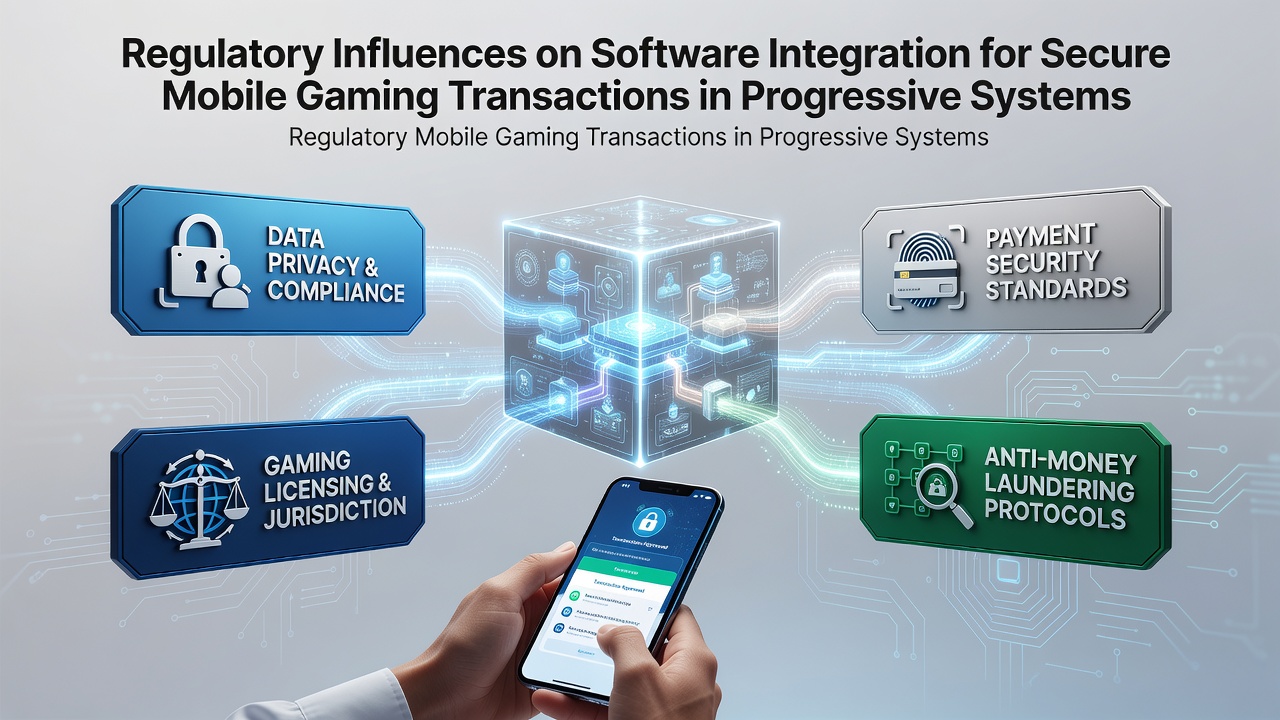
Regulatory Influences on Software Integration for Secure Mobile Gaming Transactions in Progressive Systems
Progressive gaming systems rely on interconnected software layers that manage growing jackpot pools across multiple platforms, and regulatory bodies shape how developers integrate transaction security protocols into mobile applications. Data from industry reports show that these frameworks require encryption standards, audit trails, and real-time verification processes that directly affect code architecture in gaming environments.
Core Components of Progressive Systems
Progressive jackpots accumulate contributions from player wagers across networks, and this structure demands seamless data synchronization between mobile clients and central servers. Researchers have documented that integration points must handle variable transaction volumes while maintaining pool integrity, and software teams address these demands through modular APIs that comply with jurisdiction-specific rules.
Security protocols in these systems incorporate multi-factor authentication alongside tokenization methods, yet regulators often mandate additional layers such as behavioral analytics to detect anomalies during fund transfers. Observers note that mobile platforms face unique constraints due to device variability, which pushes developers to embed compliance checks directly into transaction pipelines rather than as separate modules.
Key Regulatory Frameworks Across Regions
Authorities in North America and Europe establish guidelines that influence how companies build secure gateways for progressive gaming transactions. The Nevada Gaming Control Board outlines requirements for real-time reporting and cryptographic protections that affect software design choices in mobile environments, and similar patterns appear in Canadian provincial oversight where transaction logging must align with privacy statutes.
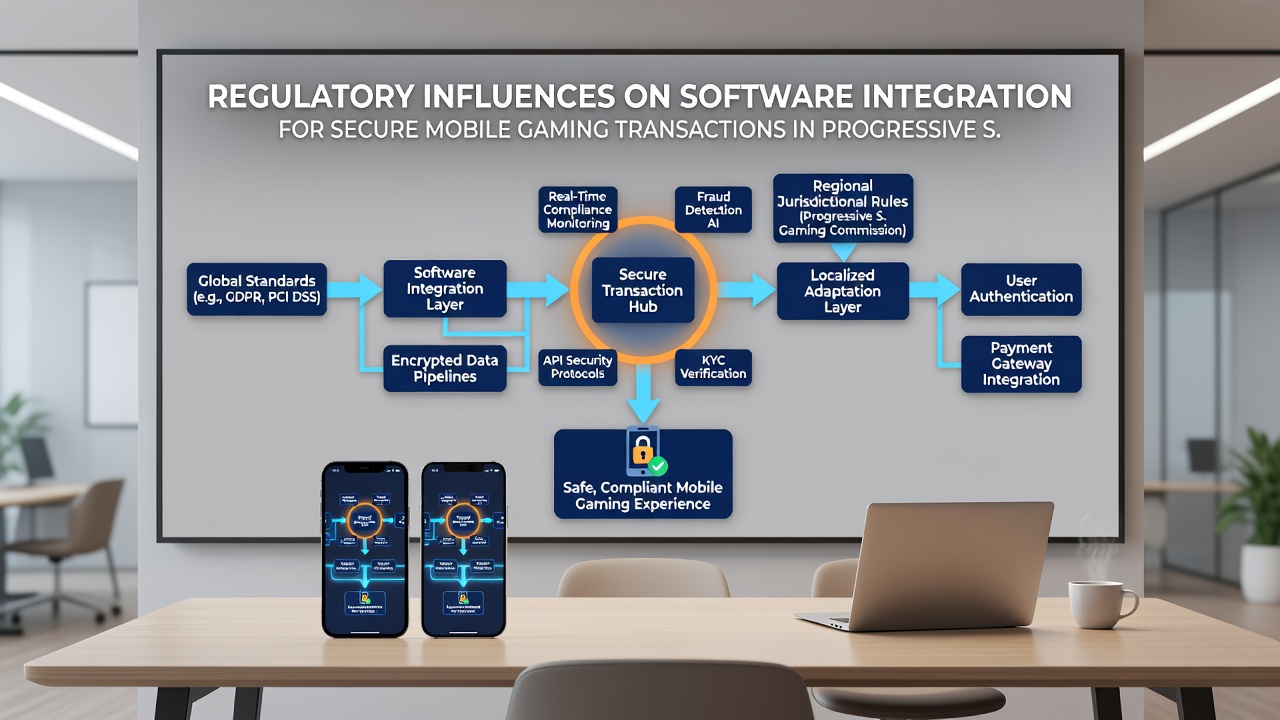
Updates scheduled for September 2026 in several jurisdictions will introduce stricter interoperability standards for cross-platform jackpot contributions, and these changes require software vendors to revise integration architectures ahead of deadlines. Industry organizations such as the Gaming Standards Association publish technical specifications that help align regulatory demands with practical coding practices.
Impact on Software Integration Practices
Developers incorporate regulatory checklists into continuous integration pipelines so that every code commit undergoes automated compliance scans for transaction security features. This approach reduces post-deployment adjustments, and teams that follow such methods report fewer certification delays when submitting mobile applications for review.
Encryption key management represents another area where rules dictate implementation details, since progressive systems must protect both individual bets and aggregated pool data during mobile sessions. Those who manage these systems often integrate hardware security modules directly into cloud-based transaction services to meet audit requirements without compromising performance.
Security Enhancements Driven by Oversight
Regulations push for end-to-end encryption and tokenized payment flows that prevent exposure of sensitive user data during jackpot claims on mobile devices. Studies from academic sources indicate that platforms adopting these measures experience measurable reductions in reported incidents, and integration testing now includes simulated regulatory audits to verify resilience under various scenarios.
Progressive mechanics add complexity because jackpot triggers must validate across distributed ledgers or centralized databases while preserving transaction atomicity. Software architects address this through event-driven designs that embed regulatory flags at each stage of the payout sequence.
Emerging Trends Toward 2026
Anticipated rule changes in September 2026 emphasize enhanced data portability between mobile gaming operators and financial processors, and these shifts will require updated APIs capable of handling new verification workflows. Canadian regulators, including the Alcohol and Gaming Commission of Ontario, have signaled interest in unified standards that could influence broader North American practices.
Developers already prototype solutions using zero-knowledge proofs to confirm transaction validity without revealing underlying pool mechanics, and such techniques align with privacy-focused mandates emerging in multiple regions. Industry reports project increased adoption of these methods as deadlines approach.
Conclusion
Regulatory influences continue to define the boundaries within which software integration occurs for secure mobile transactions in progressive systems. Organizations that embed compliance considerations from the initial design phase position themselves to adapt efficiently when new standards take effect, and ongoing collaboration between regulators and technical teams supports consistent security outcomes across evolving mobile platforms.